
Personal Attention & Quality Legal Service Since 1961
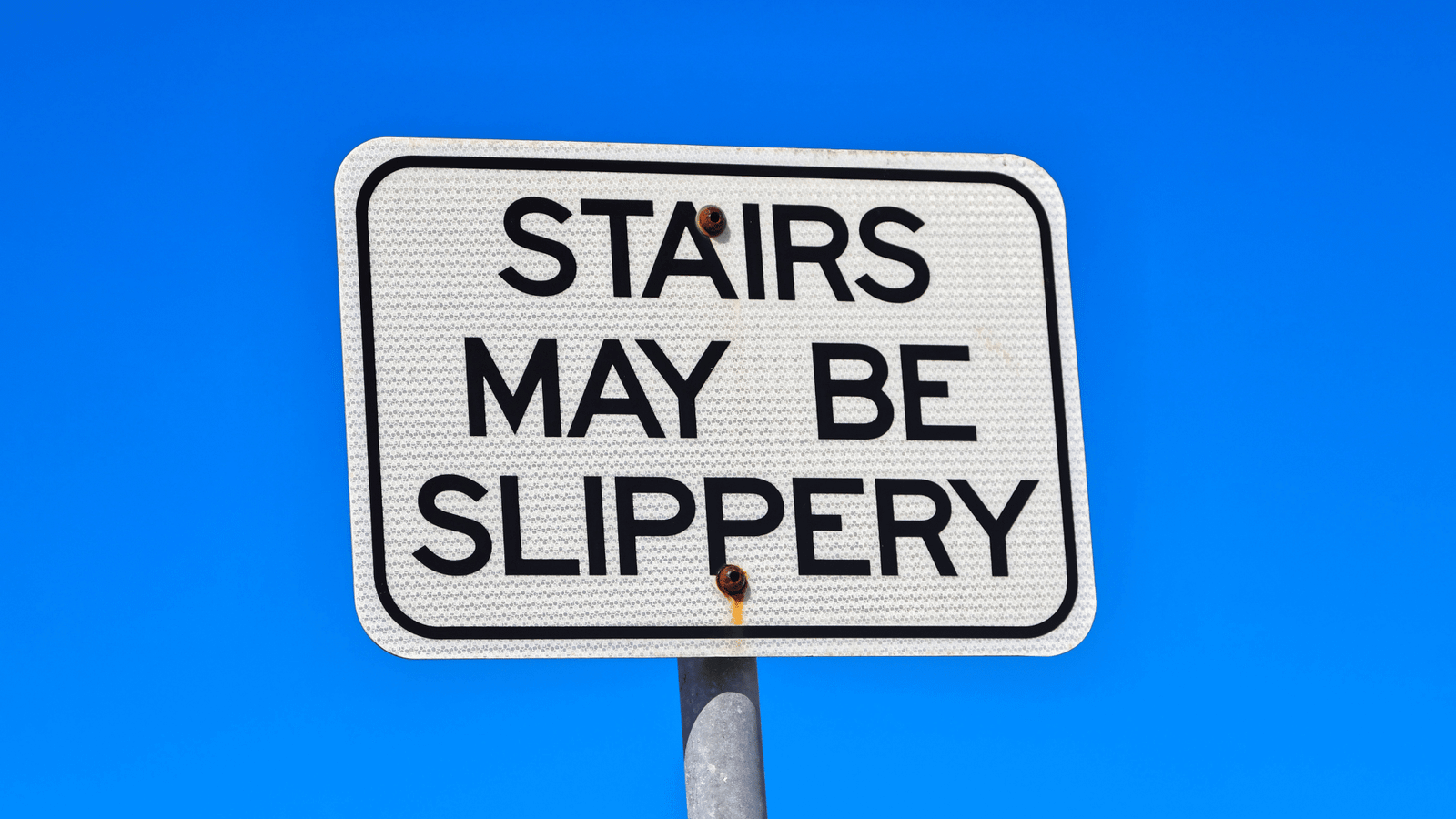
Holiday gatherings bring people into homes, restaurants, event spaces, and shopping areas they may not visit regularly. Guests navigate dim walkways, crowded rooms, decorations, spilled drinks, and temporary equipment. A fall can result in fractures, head injuries, or aggravation of an existing condition, leaving the injured person wondering whether someone should have prevented the hazard. The answer depends on where the incident happened and the legal relationship between the visitor and the person responsible for the property.
Arizona premises liability law does not treat every fall the same way. One of the most important distinctions is between someone attending a social gathering at a private home and a customer or invited visitor entering a business. Understanding that difference is essential before assuming a property owner must pay for an injury.
Arizona courts recognize different duties to business invitees, social guests, and trespassers. Businesses generally owe their invitees a duty to exercise reasonable care to make and keep their premises reasonably safe. This can include addressing hazards the business created or knew about, and hazards it should reasonably have discovered. Still, the occurrence of a fall does not establish negligence by itself.
A private social guest is generally classified as a licensee under Arizona case law, including Wickham v. Hopkins. Traditionally, the host's duty to a social guest is more limited, including warnings about known, concealed dangers and avoiding willful or wanton harm. The details of the property, the conduct involved, and any special circumstances can affect the analysis. A guest's invitation to Thanksgiving dinner does not automatically give that visitor the same legal status as a paying restaurant customer.
Imagine a visitor slipping on an ordinary step that is clearly visible. That circumstance is different from a host who knows about a concealed hole or an unstable fixture but allows guests to encounter it without warning. When the injury happens at a private residence, identifying the specific alleged dangerous condition and what the host knew about it can be critical.
The fact that a hazard is associated with holiday decorations does not itself create liability. Extension cords, temporary lighting, and additional furniture may be relevant if they concealed a danger or created an unreasonable situation under the applicable legal duty. In a close case, photographs and statements made before or after the incident can help clarify what the host knew and what the guest could see.
Businesses must approach customer safety differently from private hosts. A grocery store may be expected to address dangerous spills it creates or knows about, and to exercise reasonable care to discover hazards in customer areas. A restaurant organizing a holiday function may have duties concerning walking surfaces, lighting, and reasonably foreseeable dangerous conditions. However, a business is not an insurer against every accident.
In its 2025 decision in Perez v. Circle K, the Arizona Supreme Court reiterated the business-invitee duty and explained that a plaintiff ordinarily must show the business created the unsafe condition, knew about it, or should have discovered and addressed it. Evidence may include cleaning logs, surveillance footage, employee reports, and how long a hazard existed. Those facts are often more useful than a general allegation that a floor was slippery.
Seek medical attention when symptoms or the nature of the fall warrant it. When possible, take photographs of the exact area, including lighting, flooring, nearby decorations, and the condition that caused the fall. Identify witnesses and ask the property manager about an incident report. Do not assume that a manager's apology constitutes an admission of legal responsibility.
Shoes, damaged clothing, and relevant photographs may also be useful. Preserve communications about the event, especially if they mention the condition before the incident. At a commercial venue, identify possible surveillance footage promptly. If a home or venue is quickly cleaned up after a gathering, evidence may disappear before anyone can inspect the hazard.
A homeowner or business may carry liability insurance, but a policy's existence does not mean a claim will be covered or that negligence occurred. Coverage depends on policy terms, exclusions, the location, the insured's conduct, and the facts of the injury. Some policies also contain limited medical-payment provisions with different conditions from liability coverage. Understanding these distinctions can prevent unrealistic expectations.
An insurer may ask the injured person to describe the fall. Provide accurate information and avoid exaggerating the condition or the injuries. If substantial treatment is involved, it may be appropriate to seek legal advice before signing a broad release. Settlement documents can affect rights that extend beyond payment of an initial medical bill.
Responsibility can become complicated at a rented holiday venue or a commercial event. A property owner, event organizer, maintenance contractor, or another party may have had some role in creating or addressing a hazard. The mere involvement of several businesses does not establish that each one is liable. Contracts, control over the premises, and knowledge of the hazard may matter.
Arizona comparative fault principles can also become relevant when the injured person's conduct contributed to the incident. A reasonable investigation examines the full set of facts without assuming that a fall was entirely the property owner's fault or entirely the visitor's fault. Legal advice can help distinguish the applicable duty from issues of breach, causation, and damages.
If you were hurt during a holiday gathering, document the scene, obtain medical care, and identify whether the injury occurred at a private home or business. That distinction can significantly change the liability analysis. The Mesa personal injury team at SGP Law also handles slip and fall claims. To request a free consultation, call 480-833-8800 or contact the firm online.