
Personal Attention & Quality Legal Service Since 1961
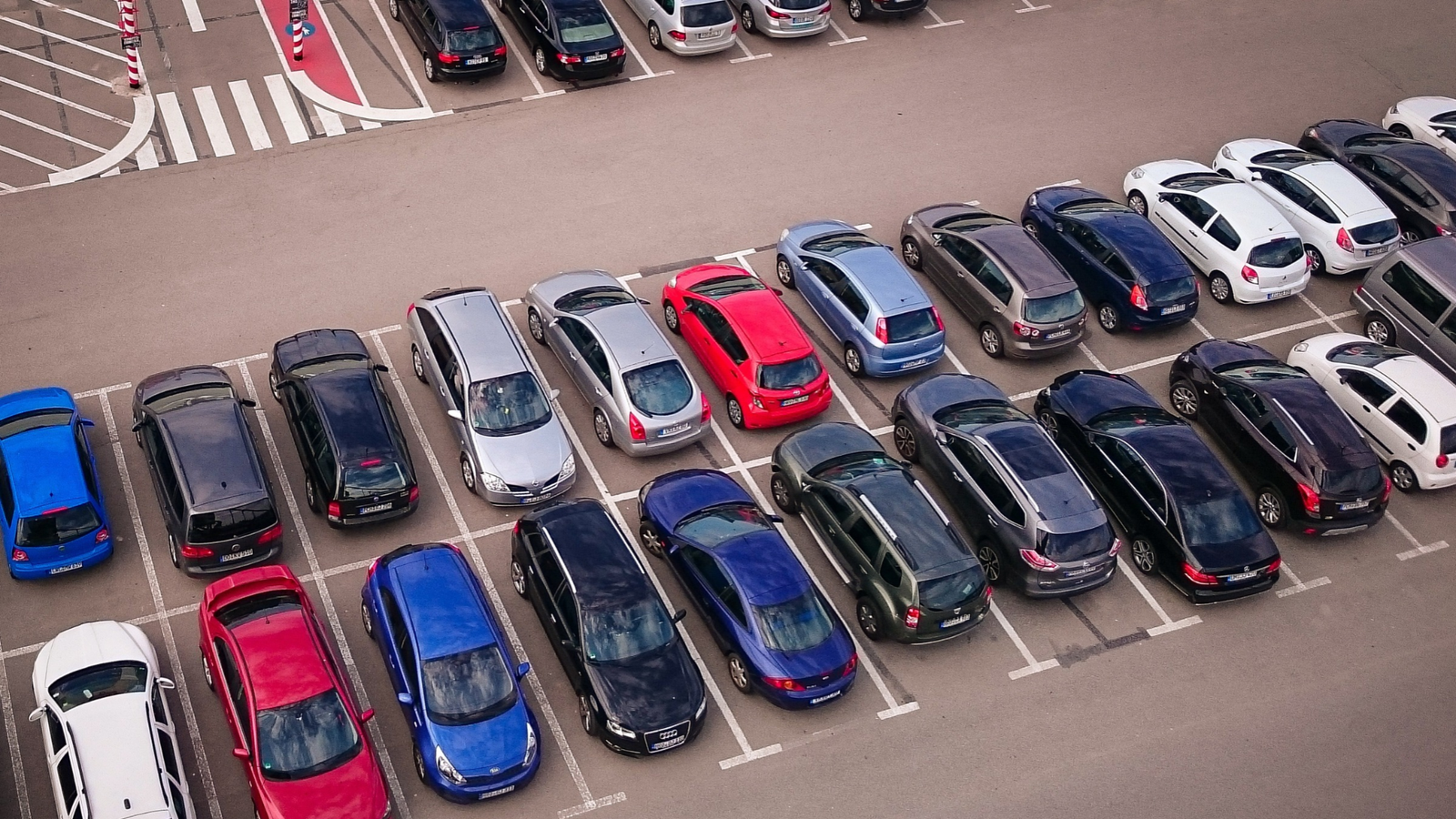
Parking lots have a different rhythm from public streets. Drivers reverse out of spaces, pedestrians cross between parked cars, and vehicles approach from several directions at once. During a busy shopping weekend in Mesa, someone may be watching for an available space instead of the car moving behind them. A collision can occur at a relatively low speed and still leave a passenger, pedestrian, or driver with injuries that require medical treatment.
When a crash happens on private property, some people assume the ordinary rules of responsibility disappear. That is not the case. Arizona negligence principles can still apply to unsafe driving, even when the location is a shopping center, apartment complex, office lot, or restaurant parking area. Determining who is liable requires a close look at movement, visibility, warnings, and what each person could reasonably have done.
A roadway crash may involve clearly marked lanes, traffic lights, or an intersection with familiar right-of-way rules. Parking lots often combine parking spaces with travel aisles, stop signs, loading zones, and pedestrian routes. Their layout matters, as does the difference between a driver moving through a travel lane and one entering that lane from a parking space.
Consider a driver backing out without checking for approaching vehicles. The backing movement may be important evidence of negligence. But if another driver was traveling carelessly through the aisle or looking at a phone, that conduct could also matter. There is no dependable rule that the person who was backing up always pays for everything. The specific circumstances determine whether one or several parties contributed to the collision.
Backing accidents are common examples. A driver may rely exclusively on a backup camera, miss a vehicle approaching from the side, or reverse between large vehicles with restricted sightlines. Two drivers may back out simultaneously and collide in the middle of an aisle. Investigators may need photographs of the space arrangement, sight obstructions, camera recordings, and statements from people who saw the vehicles move.
Other incidents involve cars turning across aisles, drivers cutting through empty spaces, vehicles ignoring stop markings, or motorists pulling out of a driveway onto a public road. Pedestrians can be especially vulnerable when drivers turn into parking spaces or rush toward store entrances. Each scenario requires a separate analysis of attention, speed, visibility, and the driver's obligation to act with reasonable care.
The distinction between a private lot and a public road may affect the application of particular traffic provisions. Still, a driver does not have permission to operate carelessly simply because the pavement belongs to a business. The central civil question is whether a person's conduct failed to meet an applicable duty of care and caused injury.
Arizona also has accident-related duties that expressly address public or private property. Under A.R.S. § 28-662, a driver involved in a collision causing damage to an attended vehicle must stop and remain as required by law, even when the crash happens on private property. Accidents involving injuries create additional obligations. Drivers should not assume they can leave without exchanging information just because the collision occurred in a parking lot.
Take photographs of both vehicles, including damage from several angles, and capture the markings and signs visible from each driver's approach. If possible, photograph the precise spaces and travel aisles involved before other vehicles occupy them. Note the weather, lighting, and any delivery trucks or parked SUVs that limited visibility. Preserve repair estimates and obtain the names of any witnesses.
Many businesses have surveillance cameras, but footage may not be retained for long. Report the incident to management and ask how relevant video can be preserved. An incident report from a retailer can help establish when the crash was reported, though it does not automatically establish responsibility. If someone is injured, request emergency assistance when needed and seek appropriate medical evaluation even if the vehicles appear to have only modest damage.
Arizona follows comparative fault under A.R.S. § 12-2505. The fact that someone else violated an obligation does not prevent the insurer from examining your driving, too. For example, a motorist moving through a parking aisle might have had an opportunity to slow down when a vehicle began reversing. Whether that conduct amounts to legally relevant fault depends on the evidence, rather than on an automatic percentage assigned by the insurance company.
Do not assume that a suggested 50/50 division is legally required because each driver gives a different account. Request an explanation of the facts supporting the determination. Where injuries are substantial or the footage is ambiguous, obtaining legal advice may help clarify how comparative fault affects the claim and what additional evidence could be gathered.
A parking lot collision may involve the same kinds of potential losses as an ordinary road crash: vehicle repairs, medical bills, time away from work, and lasting physical symptoms. Insurance coverage and the amount available will depend on the policies involved, liability findings, and the nature of the losses. A claim involving a driver who is uninsured can present additional issues worth reviewing with your insurer or attorney.
A parking lot owner is not automatically responsible merely because the accident occurred on its property. However, if an unsafe condition or traffic design contributed to the crash, questions about property maintenance or management may deserve investigation. Those cases are fact-intensive and should not be assumed to exist in every collision.
After a parking lot crash, document the scene, obtain medical attention when appropriate, and avoid relying on assumptions about who had the right of way. A careful assessment can distinguish an ordinary vehicle collision from a more complicated incident involving pedestrians, property conditions, or several drivers. Learn more about your options from the Mesa car accident lawyers at SGP Law, and contact the firm at 480-833-8800 for a free consultation.