
Personal Attention & Quality Legal Service Since 1961
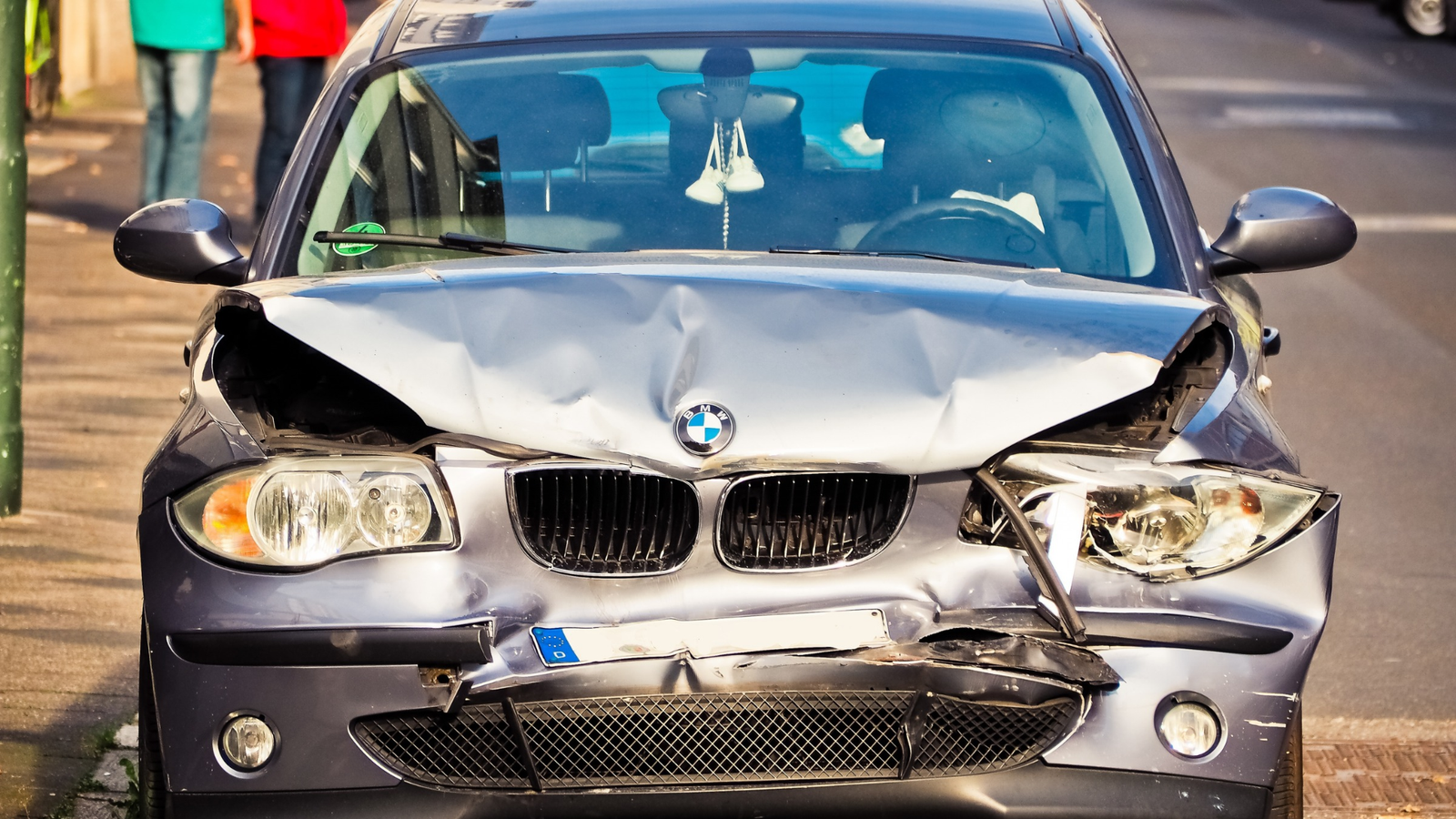
The moments following a car accident in Mesa are often confusing. Drivers may be shaken, passengers may need medical attention, and witnesses may leave before anyone realizes how important their observations could become. The situation becomes even more stressful when the other driver describes the crash differently from how you remember it. Sometimes that disagreement comes from genuine confusion. Other times, a driver may change their story to avoid a citation, higher insurance costs, or responsibility for injuries.
If the other driver lies about a car accident, the claim does not automatically become their word against yours. Physical evidence, independent witnesses, photographs, records, and the consistency of each account may help determine what happened. Knowing what to preserve can make an important difference while an insurer investigates fault.
An insurance adjuster needs to decide whether the insured driver is responsible for the collision before determining what the company may pay. If one driver claims to have had a green light while the other says the signal was red, the insurer may initially view the collision as disputed. The same problem can arise when someone says they were rear-ended after stopping safely, while the other driver alleges a sudden, improper lane change.
Arizona uses a comparative fault system under A.R.S. § 12-2505. When more than one party contributes to an accident, the share of responsibility can affect the compensation available. An inaccurate statement may therefore influence a settlement discussion even when it does not ultimately determine the facts. Insurers are not courts, and an adjuster's first assessment should not be treated as an unquestionable final answer.
Photographs taken before vehicles are moved, when it is safe to take them, may show the point of impact, debris, damaged barriers, skid marks, traffic signals, and the final position of the vehicles. Vehicle damage alone does not always prove who caused a crash, but it can help investigators compare the reported sequence of events with the physical evidence. Photograph the surrounding intersection or roadway rather than focusing exclusively on dents and broken lights.
Witnesses can be especially useful if they have no relationship with either driver. Ask for contact information and record a brief account of what the person saw, without pressuring them to choose sides. Nearby businesses, homes, buses, or vehicles may have recorded the collision. Surveillance systems and dashcams can overwrite footage quickly, so identifying those sources early is important. In a serious crash, an attorney may be able to request preservation of relevant video and other evidence.
If officers respond, explain what you observed without guessing about details you could not see. Provide the direction you were traveling, the lane you occupied, and any traffic control devices involved. Ask how to obtain the accident report and the responding agency's report number. If you later notice that a factual detail is wrong, contact the agency to ask about its process for submitting additional information or requesting a correction.
A police report can contain useful observations and statements, but it is not always the final legal determination of negligence. An officer may not have witnessed the collision, and an insurance company or court may weigh additional evidence. Likewise, the other driver's receipt of a traffic citation does not, by itself, decide every issue related to an injury claim.
Confronting the other driver about an alleged lie rarely helps. Heated exchanges can create new disputes or distract from medical needs. Give truthful, concise information to law enforcement and your own insurer. Do not exaggerate symptoms, speculate about speed, or fill gaps in memory with assumptions. If you did not see a vehicle enter the intersection, say so rather than claiming certainty.
Keep copies of your initial photographs, messages, claim correspondence, and medical records. Make a private written timeline while events are fresh, including when you noticed pain and whom you spoke with. Avoid editing original images or deleting communications. It is also wise to be cautious about public social media statements discussing the accident or your recovery, since those statements may later be viewed without context.
A disputed story does not necessarily mean one driver must bear all the fault. Suppose one driver makes an unsafe turn while the approaching driver is also traveling too fast for conditions. The evidence may support different percentages of responsibility. Arizona's comparative fault principles generally allow damages to be reduced in proportion to the injured person's legally assigned share of fault, rather than treating any contribution as an automatic bar to recovery.
That makes a careful investigation valuable. The relevant questions include what each driver reasonably should have done, whether a breach of that duty caused the crash, and which injuries and losses resulted. Medical evidence is also essential. Even if responsibility seems obvious, a claim still needs support for the injuries, treatment, lost earnings, and other damages being requested.
Consider getting legal advice when an insurer denies responsibility based primarily on the other driver's account, when important video may disappear, or when injuries require ongoing treatment. Counsel can assess whether witness statements, vehicle data, scene measurements, or expert analysis could clarify the collision. There may also be insurance policy issues that deserve review, including uninsured or underinsured motorist coverage when applicable.
Most Arizona personal injury lawsuits are subject to a two-year deadline under A.R.S. § 12-542, but important exceptions and shorter deadlines can apply, particularly when government defendants are involved. Waiting until a deadline approaches can make evidence harder to collect. An early review can help identify both the legal timeline and the practical steps needed to document the claim.
If another driver has changed their story after a crash, focus on your health and preserve the evidence that can be verified. The Mesa car accident attorneys at Skousen, Gulbrandsen & Patience, PLC can review the circumstances, explain Arizona liability rules, and discuss potential next steps.